
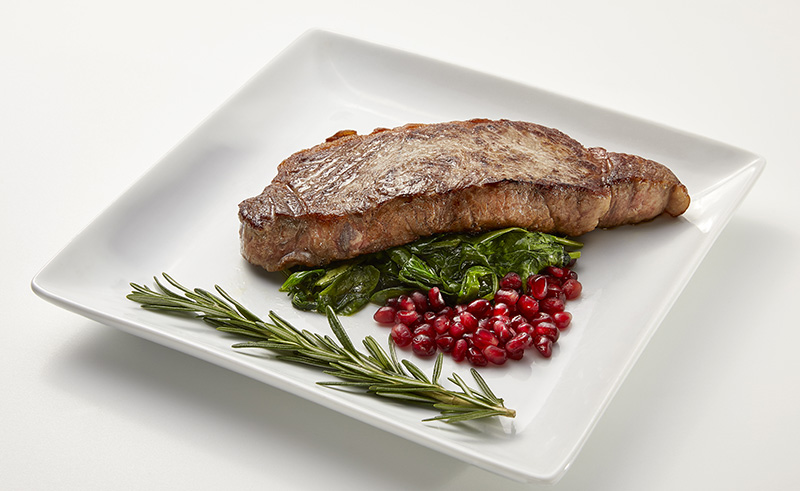
Labels on grass-fed beef products can be misleading. Just because a package says “grass fed,” it doesn’t necessarily mean the cow consumed only grass. In fact, many cattle marketed as “grass fed” may have been given grain or grain byproducts at some point in their lives. This can compromise both the nutritional quality of the beef and the health of the cattle.
So how do you sort through the confusing and often misleading levels of “grass fed beef”? Let’s break it down.
Grass Fed Beef vs. Pasture Raised Beef
When most consumers picture grass fed beef, they envision cattle grazing freely on open pastures. Unfortunately, that’s not always the case. While all cattle start out on grass, many are moved to feedlots and finished on grain or grain byproducts. In some cases, cattle may only graze on pasture for a few months before confinement feeding begins — yet the beef can still be labeled “grass fed.”
The truth is, the quality of the beef and its environmental impact depends on how cattle are raised for their entire lifetime.
Grass Fed vs. Grass Finished: What’s the Difference?
-
Grass Fed Beef – Cattle may eat grass at some point, but can also be given grain or grain byproducts. They may even spend time in feedlots.
-
Grass Finished / 100% Grass Fed Beef – Cattle consume grass and forage for their entire lives, with no grain ever introduced. This is the highest-quality standard, producing healthier beef while promoting environmental sustainability.
Not every “grass fed” cow is pasture raised, and not every “pasture raised” cow is truly grass fed. Labels can be confusing, which is why it’s important to understand the distinctions.
Levels of Grass Fed Beef
-
Conventional Grain-Fed Beef
-
Cattle spend part of their early life on pasture, but are later confined in feedlots.
-
Diet includes grain, antibiotics, and often hormones.
-
Beef may be labeled “pasture raised,” but this is misleading.
-
-
Grass Fed Beef (With Grain Byproducts)
-
Cattle may eat grass, but also consume GMO corn or soybean hulls.
-
Confinement feeding is common.
-
USDA labeling rules allow “grass fed” even when diets include grain byproducts.
-
-
100% Grass Fed Beef (With Confinement)
-
No grain or hormones are introduced.
-
However, confinement feeding is still allowed.
-
Diet may include byproducts that reduce nutritional quality.
-
-
True 100% Pasture Raised & Grass Finished Beef
-
Cattle live their entire lives on pasture, grazing naturally.
-
No confinement feeding, no grain, and no GMO byproducts.
-
This method also supports regenerative agriculture, restoring soils and ecosystems.
-
Why Cows Were Meant to Eat Grass
Cows are ruminants, designed with multiple stomachs to digest grass and forage. Grain, corn, and soy are unnatural to their digestive systems and can lead to health problems. This not only affects the well-being of the cattle but also reduces the nutritional value and flavor of the beef.
When cattle are raised on 100% pasture and grass, they stay healthier, experience less stress, and produce meat that is higher in nutrients like omega-3s, antioxidants, and vitamins.
Humane Treatment & Regenerative Farming
Cattle were never meant to live in crowded feedlots. Stress from confinement raises cortisol levels, which can negatively affect both animal welfare and beef quality.
By keeping cattle on pasture for their entire lives, we support humane treatment, natural grazing behaviors, and regenerative agriculture. Proper grazing strengthens soil health, improves biodiversity, and reduces the need for synthetic fertilizers and chemicals.
Choose Better Beef: Grass Fed, Pasture Raised, Grass Finished
When you choose 100% grass fed, pasture raised, grass finished beef, you’re not just getting better-tasting, more nutritious meat — you’re also supporting a healthier planet.
Explore our grass fed beef delivery options today, including subscription bundles that make it easy to keep your freezer stocked with nutrient-dense, regeneratively raised beef.